Roofing Service: Trusted Roofing Installation Solutions for Businesses
Your Essential Guide to Roof Maintenance: Tips From Seasoned Roofing Experts
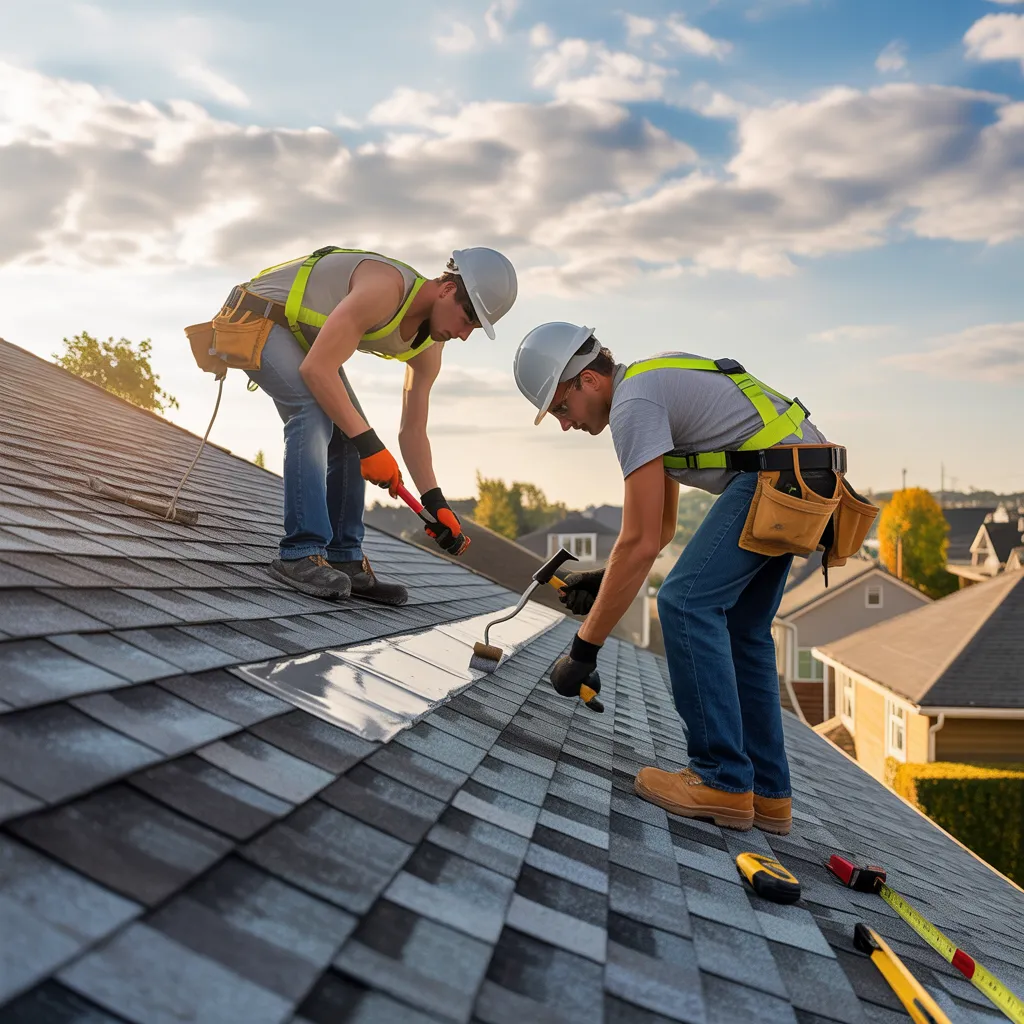
Maintaining a roof is vital for any homeowner. Neglecting this aspect can lead to costly repairs and reduced home worth. Expert roofers emphasize the importance of regular upkeep and early damage detection. Basic checks can uncover issues like missing shingles or water stains. Understanding how to address these problems can save homeowners from future headaches. Yet, many remain unaware of the steps necessary for effective upkeep. What essential tasks should be emphasized?
Essential Seasonal Roof Maintenance Tasks
Regular roof maintenance is essential for extending the lifespan of a home's roof. Periodic maintenance play a critical role in ensuring its integrity and performance. In spring, homeowners should inspect for winter damage, clear debris, and check gutters for clogs. This stops water from pooling that can lead to leaks. During summer, it is recommended to inspect flashing and seals, as the heat can make materials expand and shrink, which may result in problems.
During autumn, homeowners should remove debris and twigs to avoid moisture retention, which can foster mold growth. Additionally, inspecting shingles for wear is key, as autumn storms can exacerbate existing vulnerabilities. Cold season upkeep involves checking for ice dams and guaranteeing proper insulation to avoid heat loss. By following these seasonal tasks, homeowners can effectively maintain their roofs, enhancing durability and decreasing costly repairs.
Tips for Catching Roofing Concerns Ahead of Time
Early identification of roof damage is crucial for preserving a home's integrity. By spotting common signs of damage and performing regular inspections, homeowners can prevent more extensive repairs. A seasonal maintenance checklist can further aid in detecting potential issues before they escalate.
Everyday Manifestations of Compromise
Recognizing roof damage early can help avoid substantial repair costs for homeowners and stop additional issues. Typical damage signs include missing or cracked shingles, which can leave the materials below exposed to moisture. Homeowners should also check for dark streaks or mold that indicate possible water leaks. Ponding water, especially in low-lying areas, may cause deterioration over time. Furthermore, interior clues like water stains on ceilings or walls often point to roof leaks. Checking the flashing around chimneys and vents is crucial, as damaged flashing might let water in. Finally, sagging parts on the roof surface may reveal structural concerns. Spotting these signs quickly allows timely repairs, maintaining the house's integrity and value.
Examine Your Roof on a Consistent Basis
While many homeowners might overlook their roofs, conducting frequent inspections is crucial for maintaining their integrity. Regular inspections allow individuals to identify likely issues before they become costly repairs. During an inspection, homeowners should look for missing or damaged shingles, signs of leaks inside the home, and any debris collection in gutters. Moreover, checking for sagging areas or rusted flashing can reveal underlying problems. It’s also beneficial to examine ventilation systems to ensure they work well to prevent moisture buildup. Scheduling inspections at least twice a year, preferably in spring and fall, can help catch damage early, ultimately extending the roof's lifespan and preserving the home’s overall value.
Seasonal Upkeep Rundown
As periods change, homeowners must be proactive in assessing their roofs for possible damage. A regular maintenance checklist is essential for finding issues before they worsen. During spring, remove debris and check for absent shingles. Summer inspections should target signs of wear from UV exposure. In the fall, it is necessary to remove leaves and examine gutters for blockages. Winter brings a need for vigilance regarding ice dam formation and leaks caused by melting snow. Homeowners should watch out for water stains on ceilings and walls, which indicate possible leaks. Regularly examining flashing, vents, and chimneys can help in preventing costly repairs. By adhering to this checklist, homeowners can lengthen their roof’s lifespan and preserve their investment.
DIY Roof Assessment: Steps to Assess for Damage
Completing a DIY roof inspection can help homeowners reveal potential issues before they progress. This process comprises using effective inspection methods, recognizing common problems, and adhering to essential protective measures. By staying vigilant, homeowners can shield their roofs and ensure long-term durability.
Visual Examination Techniques
A comprehensive examination of a roof can uncover possible deterioration before it escalates into costly repairs. Homeowners should begin by inspecting the roof's surface for missing, cracked, or curled shingles. Checking the flashing around chimneys, vents, and skylights is essential, as improper sealing can cause leaks. Monitoring the Roof Company gutters for granules from shingles can suggest wear. Additionally, examining the roof from the ground can provide a wider view of any sagging or uneven areas. Using binoculars can help spot issues without needing to climb onto the roof. Prioritizing safety is paramount; if the roof's pitch is steep or conditions are unsafe, it is recommended to contact a professional for a comprehensive evaluation.
Detecting Prevalent Difficulties
Many property owners fail to recognize the significance of spotting typical roofing problems, which can cause substantial damage over the years. Routine checks can uncover issues such as missing or damaged shingles, which may expose underlying layers to water. Additionally, homeowners should check for loss of granules, often visible in gutters, suggesting potential shingle deterioration. Flashing around chimneys and vents should be examined for corrosion or openings, as these can lead to leaks. Mold or moss growth on shingles can also signal moisture retention, requiring further examination. Moreover, signs of sagging or uneven surfaces may indicate structural issues. By actively recognizing these issues, homeowners can take timely action, preserving the integrity and longevity of their roofs.
Essential Safety Precautions Are Important
While performing a do-it-yourself roof examination can be beneficial, taking safety precautions is critical to avoid accidents. Professional roofers suggest employing a robust ladder, ensuring it is positioned on a level ground, and keeping three points of contact while climbing. Wearing appropriate footwear with strong traction can also reduce the risk of slipping. Furthermore, individuals should check the weather conditions; steering clear of strong gusts or precipitation improves safety. It is prudent to have a assistant present for assistance and to communicate plans clearly. Finally, wearing protective harnesses when operating on high-pitched roofs can offer added protection. By adhering to these protective guidelines, homeowners can properly examine their roofs while reducing the risk of injury.
Identifying and Resolving Frequent Roofing Issues
Homeowners frequently miss the subtle signs of roofing issues until they develop into significant problems. Typical warning signs include missing shingles, water stains on ceilings, and granules accumulating in gutters. These signs can suggest leaks or deterioration that require immediate attention.
To address these problems, homeowners should perform frequent checks, especially after harsh storms. If damaged shingles are detected, replacing them without delay can avoid more deterioration. Wet spots may indicate water intrusion, necessitating roofing work or even substitution of substructure.
Additionally, assessing for damaged flashing around chimneys and vents is vital, as damaged flashing can result in leaks. Keeping gutters free from debris will also help guarantee proper drainage, minimizing the risk of water pooling on the roof. By identifying these issues early and taking corrective measures, homeowners can extend the life of their roofs and protect their homes from expensive repairs.
Figuring Out When It's The Right Moment to Hire a Roofer
When should a homeowner consider hiring a roofing contractor? Property owners should seek professional assistance when dealing with significant roofing issues that surpass their skill level. This encompasses major leaks, visible sagging, or missing shingles, which can undermine structural integrity. Additionally, if a homeowner notices evidence of mold or water damage inside the house, it is essential to contact a roofer immediately.
Storm damage can also necessitate professional help; a qualified roofer can examine concealed wear that may not be at first detectable. Moreover, if a homeowner is considering to place a new roof or undertake extensive work, bringing in a professional guarantees observance with local codes and standards. To conclude, if consistent upkeep becomes overwhelming, enlisting a roofer for routine inspections can help prevent future issues. Recognizing these situations can save homeowners from further complications down the line.
Setting Aside Funds for Roofing Maintenance and Restoration Work
Roof maintenance and repairs often come with unforeseen expenses, making it critical for homeowners to establish a realistic budget. A exhaustive budget should take into account both regular upkeep and possible urgent attention. Homeowners are instructed to assess the age and condition of their roofs, as aging roofs may require more frequent attention.
Reserving a dedicated budget for these payments can reduce money concerns when complications develop. Professionals advise earmarking 1-3% of the home's value each year for roof servicing, which includes inspections, minor repairs, and materials. In addition, requesting multiple quotes from dependable roofers can supply a clearer picture of potential costs.
Regular maintenance can help prolong the life of a roof and avoid larger, more expensive fixes down the line. By planning effectively, property owners can manage their roof costs more efficiently and protect their investment in their property.
Extended Advantages from Routine Roof Care
Although many may view roof maintenance as a minor task, its long-term benefits greatly exceed the initial investment. Routine upkeep extends the lifespan of a roof, reducing the need for costly repairs or premature replacements. By handling small issues promptly, homeowners can stop extensive damage caused by leaks or structural weaknesses, ultimately preserving significant sums over time.
Furthermore, a well-preserved roof enhances energy efficiency, as it stops heat loss and reduces cooling costs. It also contributes to improved property value; prospective buyers often choose homes with documented maintenance history. Additionally, regular inspections can discover potential problems before they escalate, offering safety and peace of mind for inhabitants.
Lastly, upkeeping a roof can inhibit mold and mildew growth, encouraging better indoor air quality. Therefore, the benefits of routine roof upkeep not only protect the structure but also improve the overall living environment.
Frequently Asked Questions
How Often Should I Clean My Gutters for Home Health?
Gutters need to be cleared at least twice a year to keep your roof in good condition. However, more frequent cleanings might be needed following heavy storms or during autumn season, when leaves can collect and impede adequate water flow.
Which Roof Substances Need Different Upkeep Strategies?
Various roof types require varied upkeep techniques. Asphalt shingles need regular inspections and debris removal, while metal roofs gain advantages from periodic sealing. Tile roofs require careful cleaning to prevent algae, and wood shingles require treatment against rot and pests.
Can Roofing Upkeep Stop Leaks During Heavy Rain?
Caring for your roof can effectively prevent leaks during heavy rain. Consistent inspections, quick repairs, and correct sealing of materials ensure that potential vulnerabilities are addressed, boosting the roof's capacity to handle severe weather conditions efficiently.
In What Ways Does Weather Effect Roof Longevity and Maintenance Needs?
Weather greatly affects roof lifespan and maintenance needs. Extreme temperatures, heavy rainfall, and harsh winds can speed up deterioration, demanding regular inspections and maintenance work to guarantee optimal functionality and avoid expensive repairs.
What Clues Point to Faulty Roof Installation That You Should Track?
Signs of incomplete roof installation are uneven shingles, visible gaps or seams, sagging spots, water leaks, and excessive granule loss. These indicators may lead to premature wear and increased maintenance needs, threatening complete roof integrity.
To wrap up, we have considered the crucial points mentioned across this inspection.
In essence, safeguarding a roof is critical for homeowners pursuing to sustain the lifespan of their investment and confirm a safe living environment. By adhering to seasonal maintenance tasks, undertaking regular reviews, and addressing issues right away, homeowners can effectively prevent expensive repairs. Understanding when to tackle repairs themselves and when to solicit professional help is important. Ultimately, a preventative approach to roof maintenance not only strengthens the home's equity but also advances better indoor air quality and overall satisfaction.